Russia: Strangling freedom of speech
Ilya Yashin, a well known oppsosition politician, seeks greater attention from Europe on political prisoners in Russia. He says that the pressure on political activist and their families is increasing.
Publisert:
21. Mar 2013, kl. 15:10
|
Sist oppdatert:
4. Jun 2013, kl. 17:17
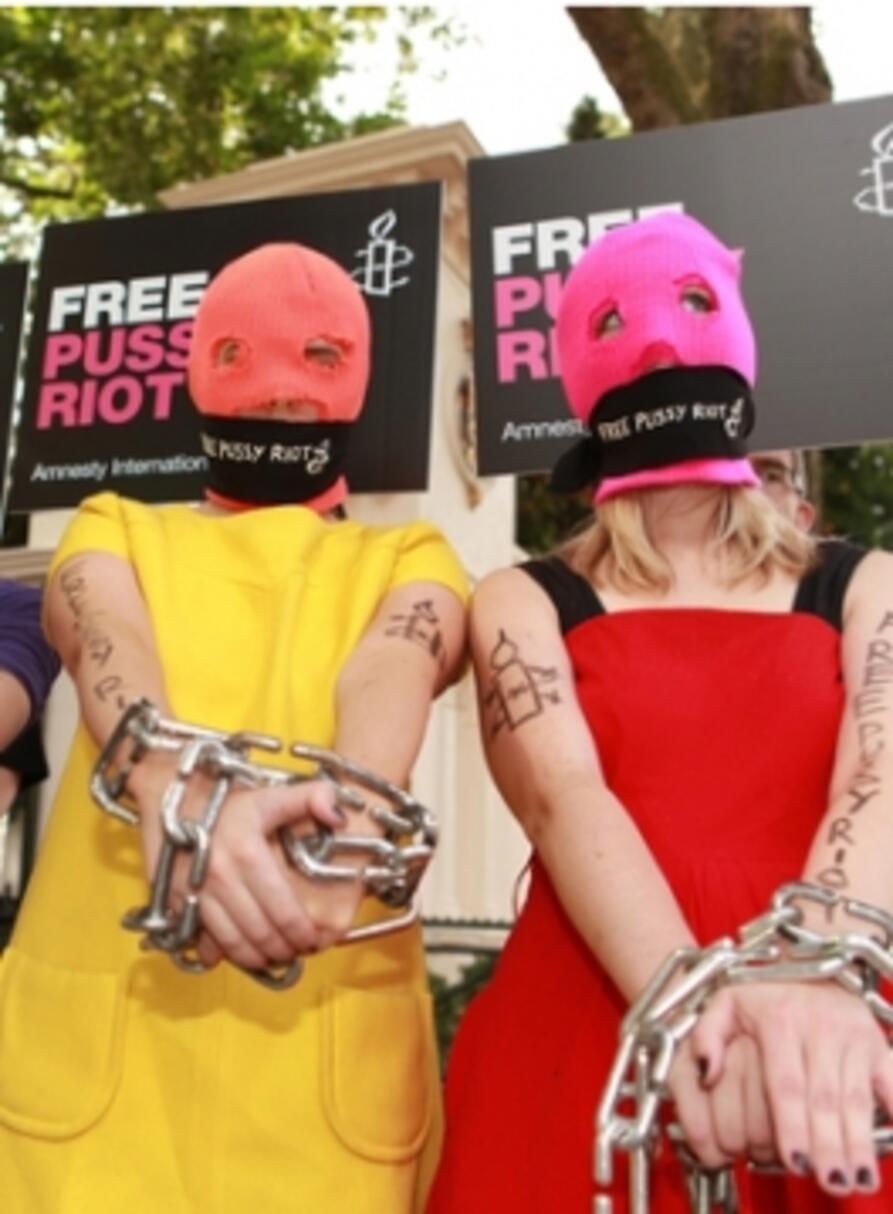
-Everybody has heard about Pussy Riot, the three young girls who were imprisoned after performing and singing a song in a church in Moscow. But that is just one of many similar incidents which has taken place in Russia lately. There are more than 40 political prisoners serving time in Russian prisons right now, but very few are aware of them because they are not visible in the European media, he says.
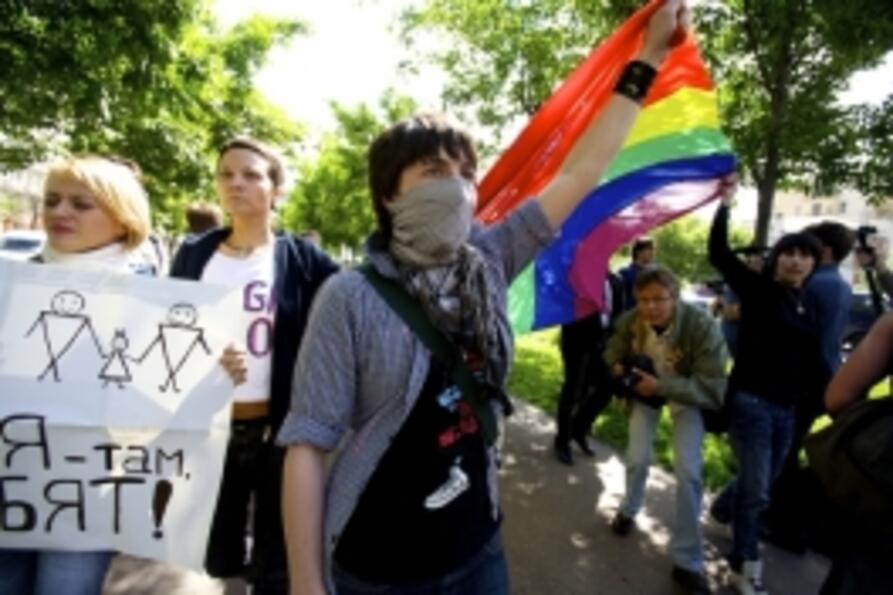
Yashin believes that more international attention towards those who have been arrested because of their participation in demonsrations and other politically motivated arrests, would help put more pressure on Russian authorities and lead to fairer treatment of these protesters.
-I would like to ask Amnesty to acknowledge these individuals as political prisoners, and I want you to focus more on every individual case, he says.
Election fraud led to reactions
During the parlamentary election in 2011, allegations and suspisions of election fraud by false voting slips and the numbers of people qualified to vote created strong reactions among the Russian people. Yashin says that this had happened many times before, but this time a large number of people were able to document it by video footage and post it on the internet.
-The massive documentation showed that this was a big problem. People became very exited and took to the streets of St. Petersburg and Moscow in large demonstrations. After these events, regisration of new parties became easier, and the opposition thought that it would be
possible to reach an agreement on necessary reforms of the political system. But this has later proved to be impossible.
Yashin says that during the presidential election in March 2012 extensive irregularities were noted, by the observers from the Council of Europe. Again massive demonstrations were held many places in the country, but the authorities cracked down on the
protesters. The police special forces (OMON) were called in to maintain order during the demonstrations, and Yashin says there were many cases of police brutality and arrests of demonstrators.
-Many were arrested and imprisoned, charged of having resisted police orders. The charges were only based on the testimonies from the police without any other documentation, he says.
Persecution of activists
Yashin is one of the key leaders of the political movement Solidarnost in Russia, and the leader of the Moscow branch of the “People’s Freedom Party”. During the biannual general meeting (BGM) of Amnestys members in Norway he stood on stage together with an Egyption activist Maikel Nabil and Widney Brown from Amnesty International. He talked about the high price to pay for exercising your right to fredom of expression in your home country. On the 31st December 2010 he was arrested after having participated in a demonstration in Moscow and was kept in prison for 15 days.
During the BGM he shared the experience of many oppositionals on how they after the election of 2012 had their homes searched by Russian security police. They broke into the appartments of many of the demonstrators and in the appartments of relatives and friends, as well.
-The pressure is not only on the political activists, but also on their families. They came to my house, my parents and girlfriends house. At my house they took my money, my computer, documents, and a personal note book. I was not at home at the time, but my neighbours told me that armed men wearing masks broke the door and stormed into the appartment, he says.
-Usually armed men wearing masked are called robbers, but in Russia they are called police.
Yashin has many stories about people who have experienced persecution by the Russian authorities. A leading activist, feeling unsafe in his home country, alledgedly went off to Kiev in order to apply for political asylum. When he applied for political asylum to the UNCHR he was alledgedly kidnapped on his way out of the office and transported back to Russia. For many days his fellow activists did not know whether he was still alive or not. He was tortured in a private house, and his family was threatened by the police. He had to sign a confession, but in court he said that the confession was false and was signed because of the torture.
Impunity and the Magnitsky Act
In November/December the US Congres adopted the much disputed Magnitsky Act which has been named after the Russian whistle blower Sergej Magnitsky who died in a Russian prison in 2009. The law gives the US authorities the right to refuse entry to the USA of people who committ human rights violations and to freeze their bank accounts.
-It is important to secure criminal proceedings against those who committ violations and that those responsible for politically motivated killings are held responsible for their crimes. Magnitsky died in prison after having been tortured and without having recived medical treatment. Such a law is at least an attempt to limit the corrupt bureaucracy, and we need political will in order to adopt similar laws in European countries.
The rhetoric of the cold war is back
Since June 2012 many new laws have been adopted by the Russian parliament limiting the freedom of political opposition and the right to free expression. Anti propaganda laws have been adopted by several cities, and the Russian parliament is now discussing a law which will make so called “propaganda for homosexuality towards minors” illegal. In addition to theese laws, a number of US-based NGO’s are banned, and Yashin believes that the cold war rhetoric is back for the first time since the fall of the Soviet Union.
-In order to keep the popularity of the people Putin must create a new external enemy. He is himself a product of the cold war and he is now re-creating an anti-US rhetoric, even though it is not necessarily reflected in his actions. Putin wants to govern like Stalin, but live like Abramovich, he says.
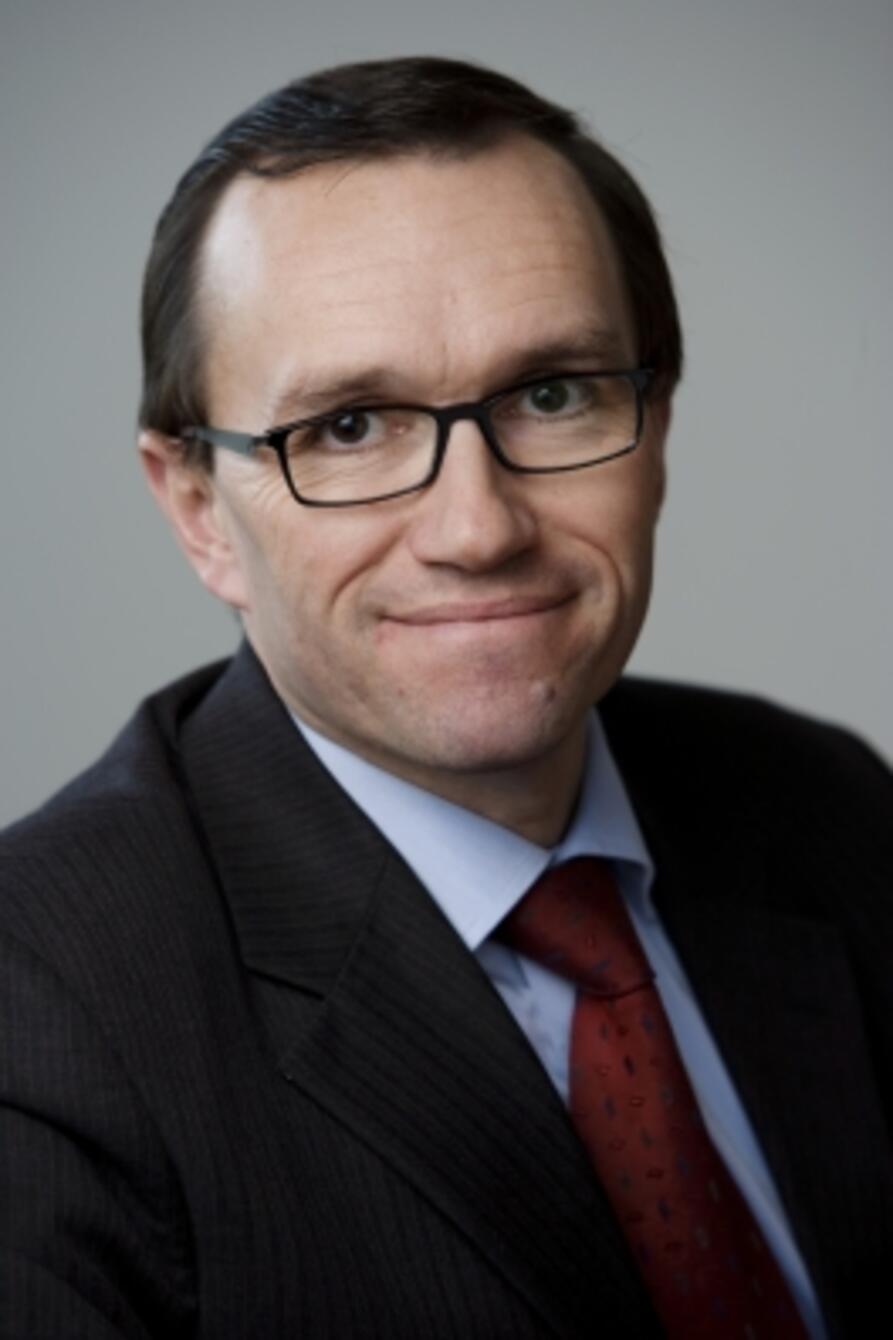
Ilya Yashin
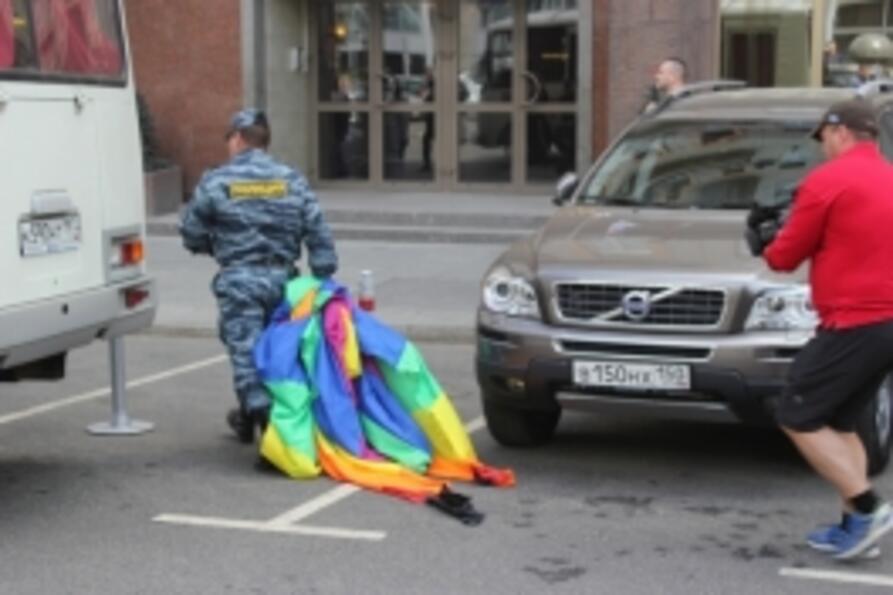
Yashin believes that more international attention towards those who have been arrested because of their participation in demonsrations and other politically motivated arrests, would help put more pressure on Russian authorities and lead to fairer treatment of these protesters.
-I would like to ask Amnesty to acknowledge these individuals as political prisoners, and I want you to focus more on every individual case, he says.
Election fraud led to reactions
During the parlamentary election in 2011, allegations and suspisions of election fraud by false voting slips and the numbers of people qualified to vote created strong reactions among the Russian people. Yashin says that this had happened many times before, but this time a large number of people were able to document it by video footage and post it on the internet.
-The massive documentation showed that this was a big problem. People became very exited and took to the streets of St. Petersburg and Moscow in large demonstrations. After these events, regisration of new parties became easier, and the opposition thought that it would be
possible to reach an agreement on necessary reforms of the political system. But this has later proved to be impossible.
Yashin says that during the presidential election in March 2012 extensive irregularities were noted, by the observers from the Council of Europe. Again massive demonstrations were held many places in the country, but the authorities cracked down on the
protesters. The police special forces (OMON) were called in to maintain order during the demonstrations, and Yashin says there were many cases of police brutality and arrests of demonstrators.
-Many were arrested and imprisoned, charged of having resisted police orders. The charges were only based on the testimonies from the police without any other documentation, he says.
Persecution of activists
Yashin is one of the key leaders of the political movement Solidarnost in Russia, and the leader of the Moscow branch of the “People’s Freedom Party”. During the biannual general meeting (BGM) of Amnestys members in Norway he stood on stage together with an Egyption activist Maikel Nabil and Widney Brown from Amnesty International. He talked about the high price to pay for exercising your right to fredom of expression in your home country. On the 31st December 2010 he was arrested after having participated in a demonstration in Moscow and was kept in prison for 15 days.
During the BGM he shared the experience of many oppositionals on how they after the election of 2012 had their homes searched by Russian security police. They broke into the appartments of many of the demonstrators and in the appartments of relatives and friends, as well.
-The pressure is not only on the political activists, but also on their families. They came to my house, my parents and girlfriends house. At my house they took my money, my computer, documents, and a personal note book. I was not at home at the time, but my neighbours told me that armed men wearing masks broke the door and stormed into the appartment, he says.
-Usually armed men wearing masked are called robbers, but in Russia they are called police.
Yashin has many stories about people who have experienced persecution by the Russian authorities. A leading activist, feeling unsafe in his home country, alledgedly went off to Kiev in order to apply for political asylum. When he applied for political asylum to the UNCHR he was alledgedly kidnapped on his way out of the office and transported back to Russia. For many days his fellow activists did not know whether he was still alive or not. He was tortured in a private house, and his family was threatened by the police. He had to sign a confession, but in court he said that the confession was false and was signed because of the torture.
Impunity and the Magnitsky Act
In November/December the US Congres adopted the much disputed Magnitsky Act which has been named after the Russian whistle blower Sergej Magnitsky who died in a Russian prison in 2009. The law gives the US authorities the right to refuse entry to the USA of people who committ human rights violations and to freeze their bank accounts.
-It is important to secure criminal proceedings against those who committ violations and that those responsible for politically motivated killings are held responsible for their crimes. Magnitsky died in prison after having been tortured and without having recived medical treatment. Such a law is at least an attempt to limit the corrupt bureaucracy, and we need political will in order to adopt similar laws in European countries.
The rhetoric of the cold war is back
Since June 2012 many new laws have been adopted by the Russian parliament limiting the freedom of political opposition and the right to free expression. Anti propaganda laws have been adopted by several cities, and the Russian parliament is now discussing a law which will make so called “propaganda for homosexuality towards minors” illegal. In addition to theese laws, a number of US-based NGO’s are banned, and Yashin believes that the cold war rhetoric is back for the first time since the fall of the Soviet Union.
-In order to keep the popularity of the people Putin must create a new external enemy. He is himself a product of the cold war and he is now re-creating an anti-US rhetoric, even though it is not necessarily reflected in his actions. Putin wants to govern like Stalin, but live like Abramovich, he says.
Ilya Yashin
- Is a Russian opposition politician
- A prominent member of the political movement Solidarnost
- Head of the Moscow branch of "People's Freedom Party"
- In 2010 he was arrested for participating in a protest in Moscow, and was imprisoned for 15 days.